













You might have noticed lately that reading a menu, a text message, or a prescription bottle is getting harder. You find yourself holding your phone farther away. You turn on every light in the room just to see clearly. If this sounds familiar, you are not alone. This is called presbyopia, and it happens to almost everyone as they get older.
The good news? It is totally normal and easy to fix. You do not need surgery or complicated treatments. You just need a good pair of reading glasses. But with so many options out there, how do you choose the right one? Let me walk you through everything you need to know.

What Exactly Is Presbyopia?
Presbyopia is not a disease. It is a natural aging change in your eyes. Inside your eye, there is a lens that flexes to focus on close objects. When you are young, that lens is soft and flexible. As you age, it slowly becomes harder and less stretchy. By your early forties, it starts struggling to focus on things up close.
Think of it like a rubber band that loses its elasticity over time. You cannot stop it, and you cannot reverse it. But you can easily work around it with reading glasses.
When Should You Do Something About It?
You should consider reading glasses when you notice any of these signs:
- You hold books or your phone at arm's length.
- You get headaches after reading or using your computer.
- You need brighter light to read small print.
- Your eyes feel tired or strained by the end of the day.
If that sounds like you, do not wait. Ignoring it will not make it better. It will only give you more headaches and frustration.

Do You Need Prescription Reading Glasses or Over the Counter?
This is the first big decision. You have two options.
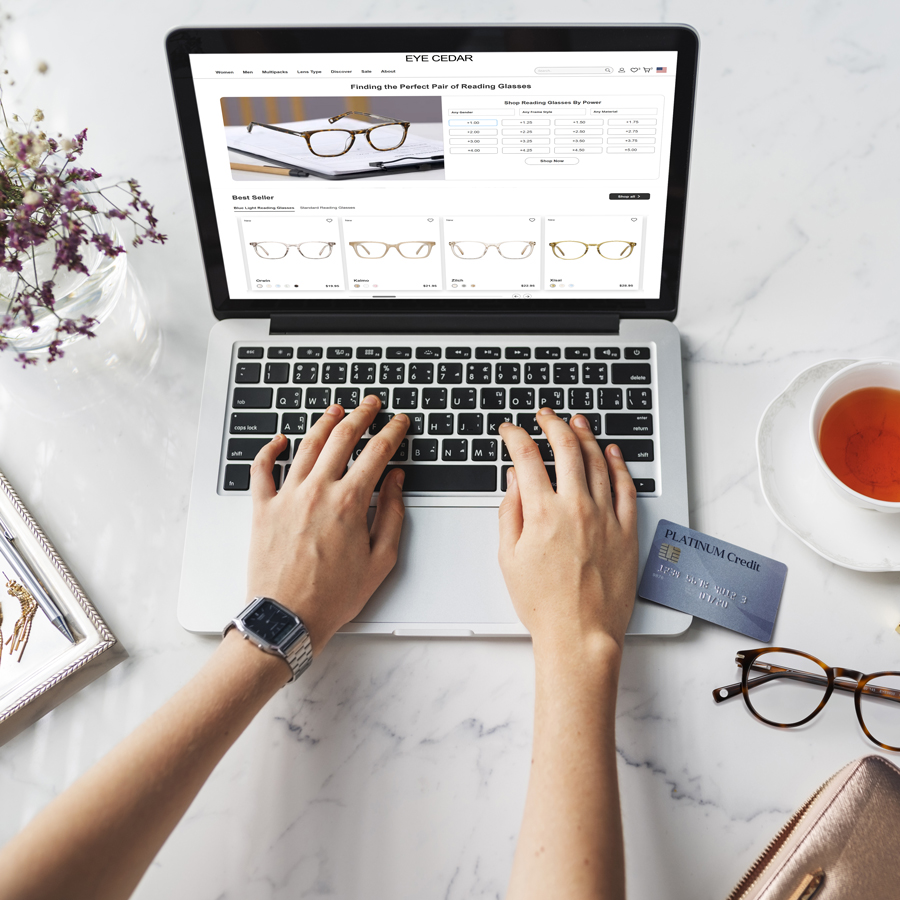
Over the counter reading glasses are the ones you find at drugstores or online. They are cheap, usually under twenty dollars, and come in different magnifications like +1.00, +1.50, or +2.00. They work great if you need the same strength in both eyes and do not have astigmatism.
Prescription reading glasses are made just for you by an eye doctor. You need these if one eye is stronger than the other, if you have astigmatism, or if you want progressive lenses that correct distance and reading in one pair.
If you are over forty and have healthy eyes, you can usually start with over the counter readers. But it never hurts to get an eye exam anyway. Your doctor can check for other issues like cataracts or glaucoma.
How to Choose the Right Magnification Strength
Picking the right strength is easy. Go to a store or use a printable eye chart online. Try on different powers and find the lowest one that lets you read small text comfortably at a normal distance.
A good rule of thumb:
- +1.00 to +1.25 for early presbyopia, usually in your early forties.
- +1.50 to +1.75 for mid forties to early fifties.
- +2.00 to +2.50 for mid fifties and beyond.
Do not go too strong. A higher number is not better. It will just give you a headache and force you to hold things way too close.


How to Pick Reading Glasses That Actually Look Good
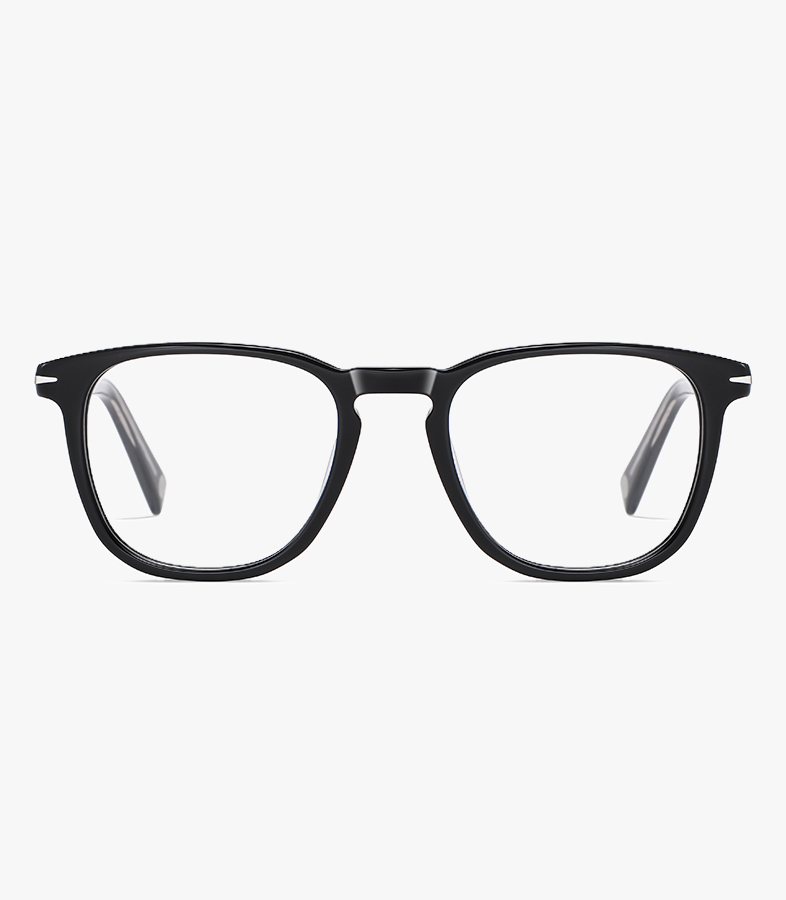
Many people avoid reading glasses because they think they will look old or nerdy. That is not true anymore. Today's designs are stylish, modern, and can even make you look younger.
Here are some tips to pick a pair you will actually want to wear.
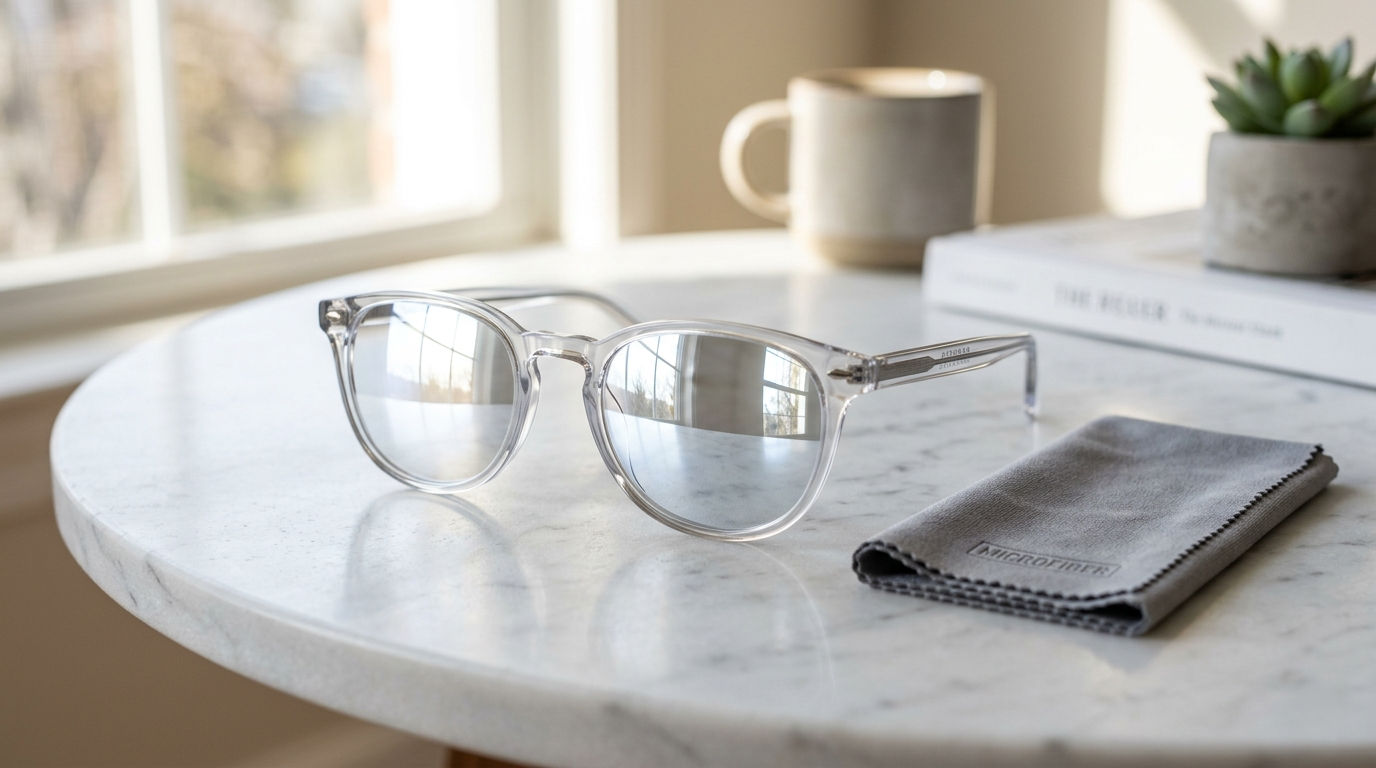
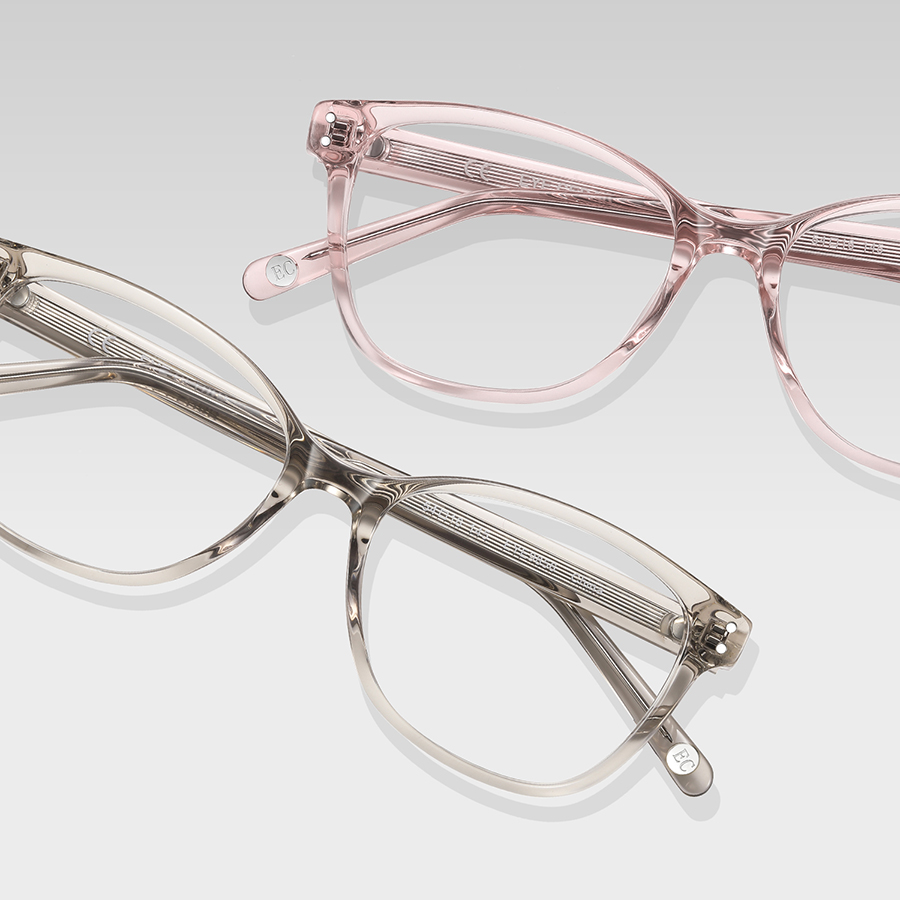
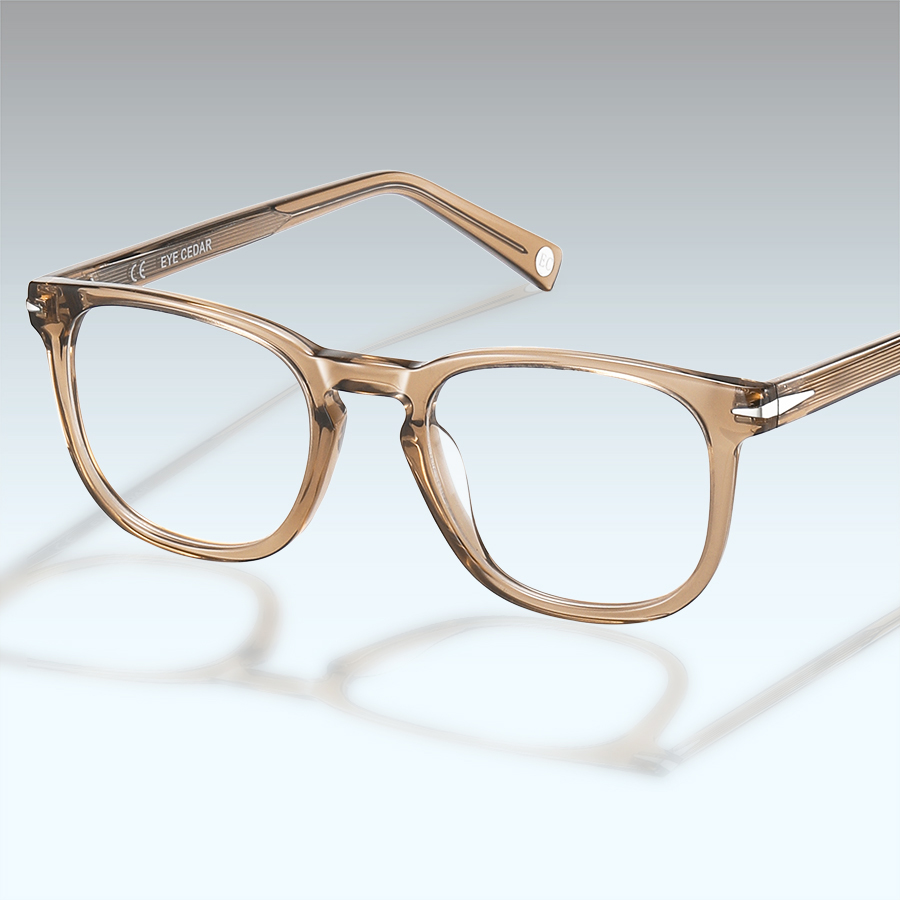
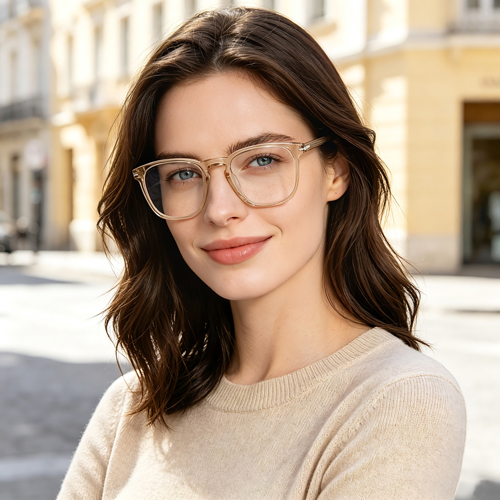
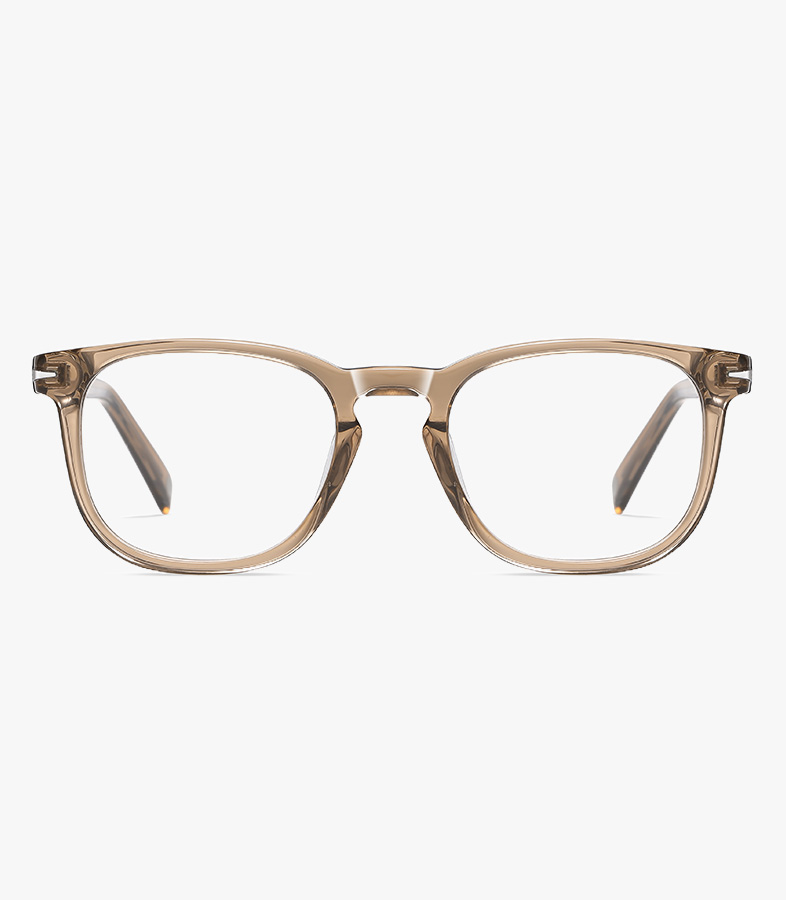
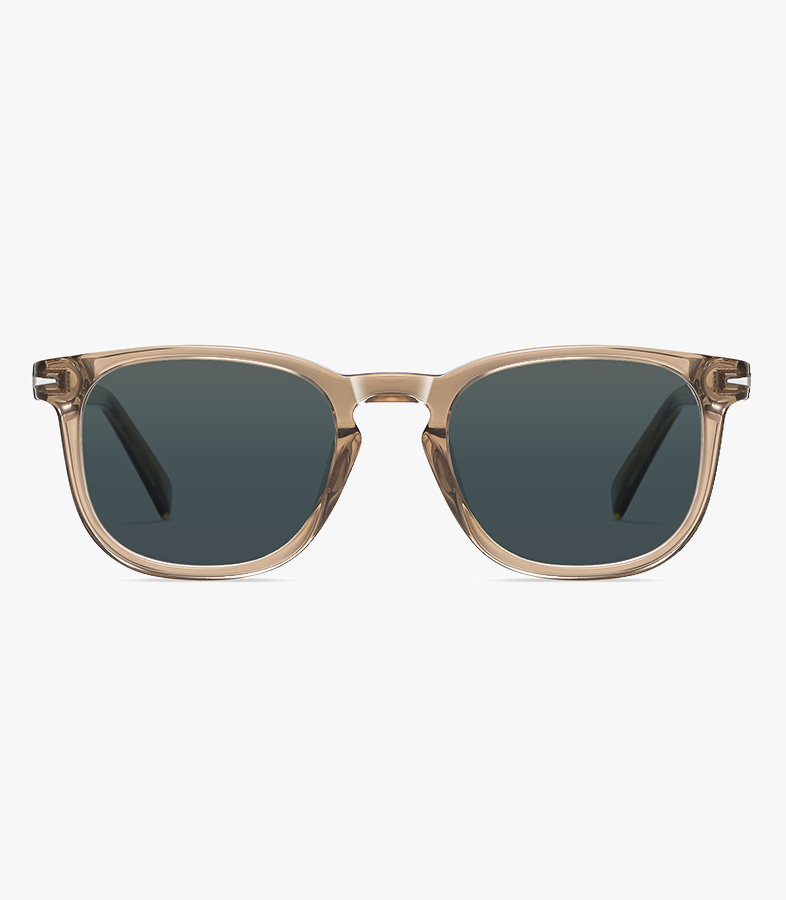
Go with clear or translucent glasses. These are very popular right now. They look fresh and modern. They do not cast dark shadows on your face like thick dark pairs can. They make you look more awake and youthful.
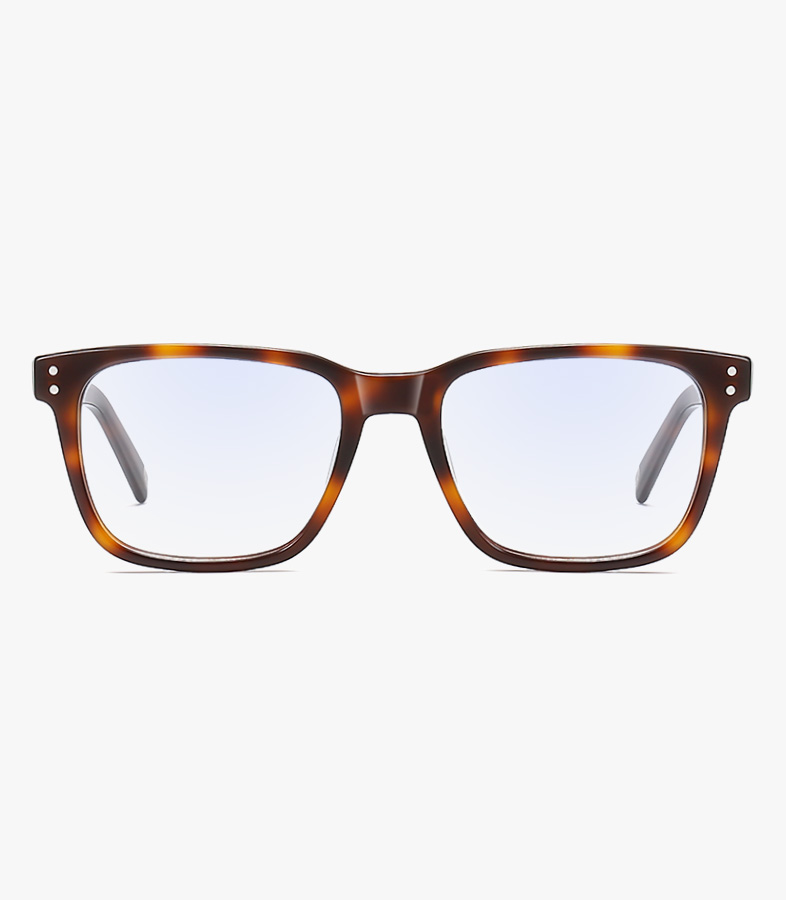
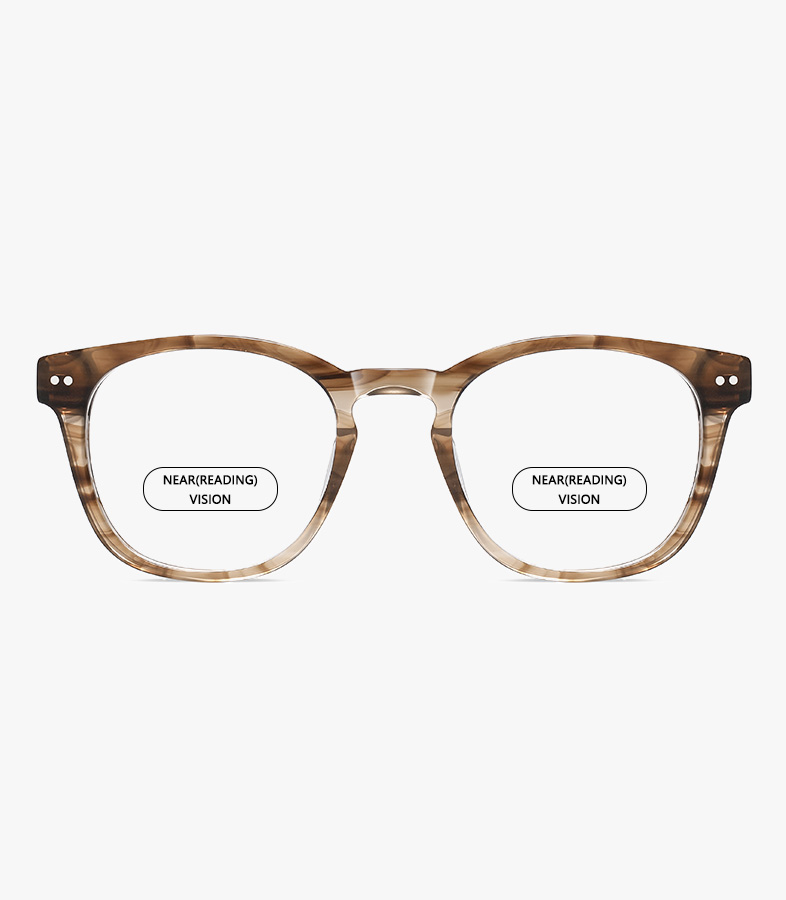
Try tortoiseshell for a classic look. Warm brown and amber tones work on almost everyone. They add a touch of vintage style without screaming "reading glasses."
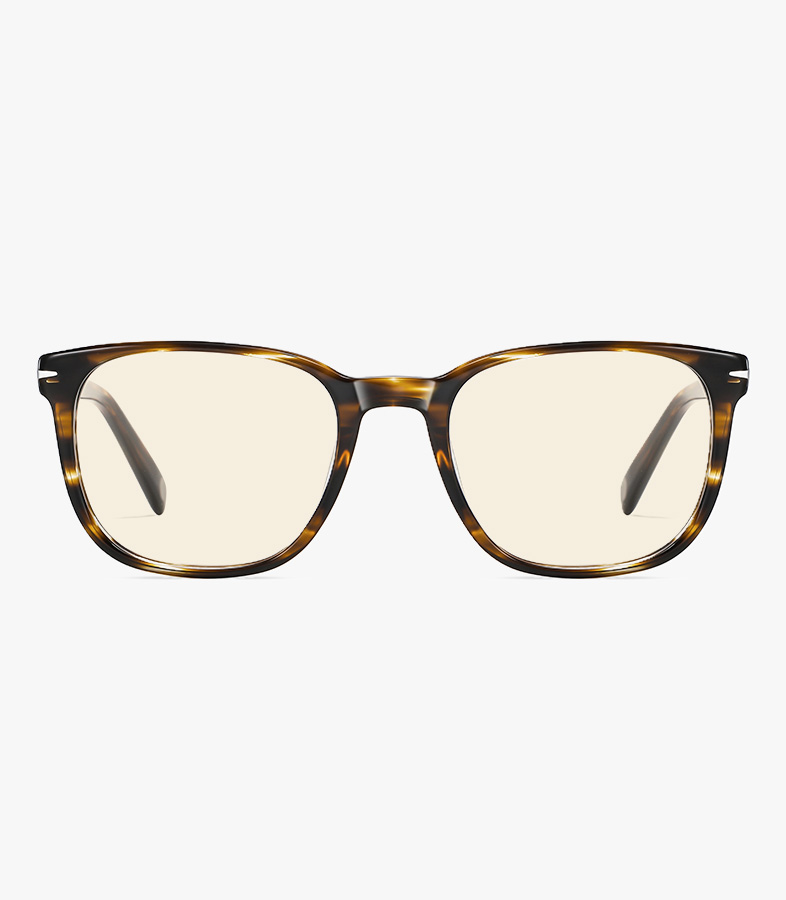
Choose blue light blocking lenses if you use screens a lot. Most of us read on phones, tablets, or computers these days. Blue light blocking readers reduce eye strain and help you sleep better at night.
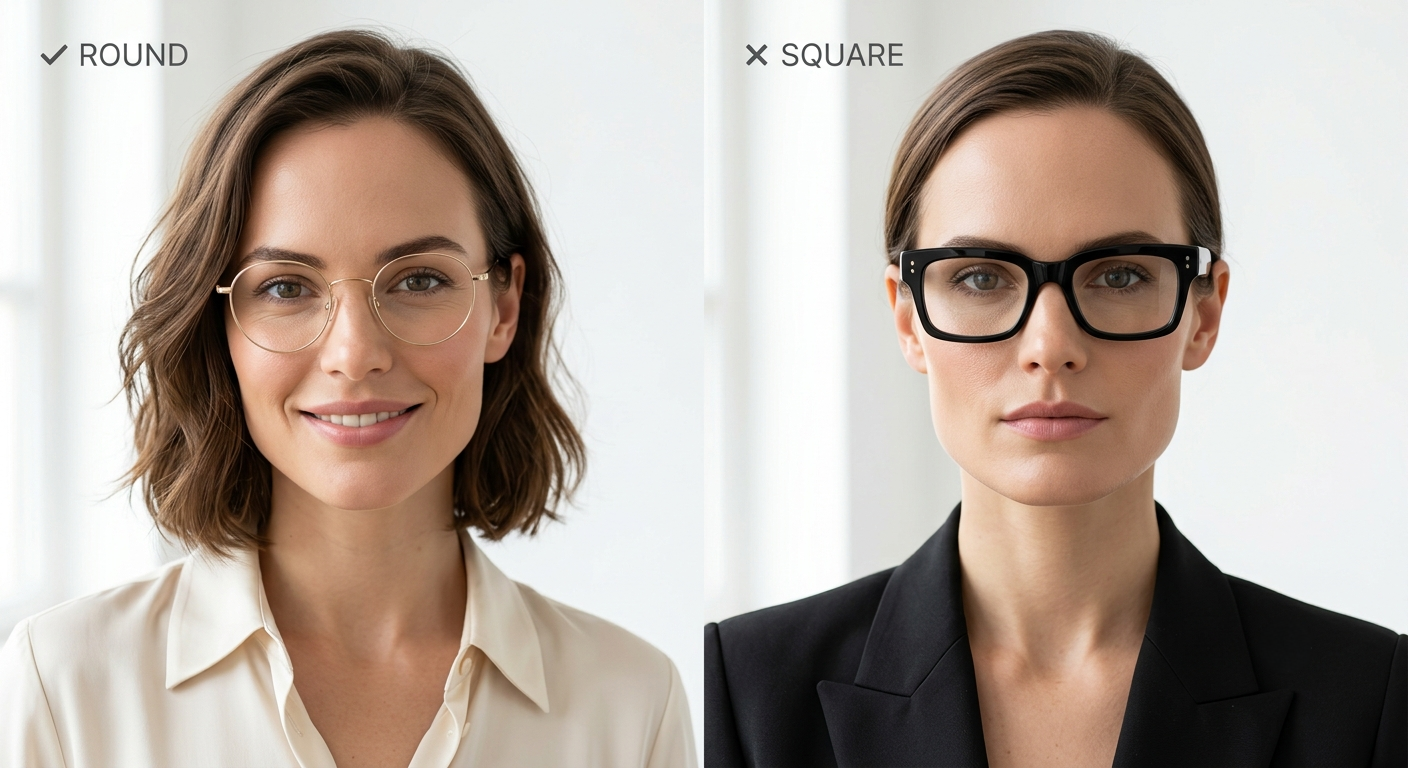
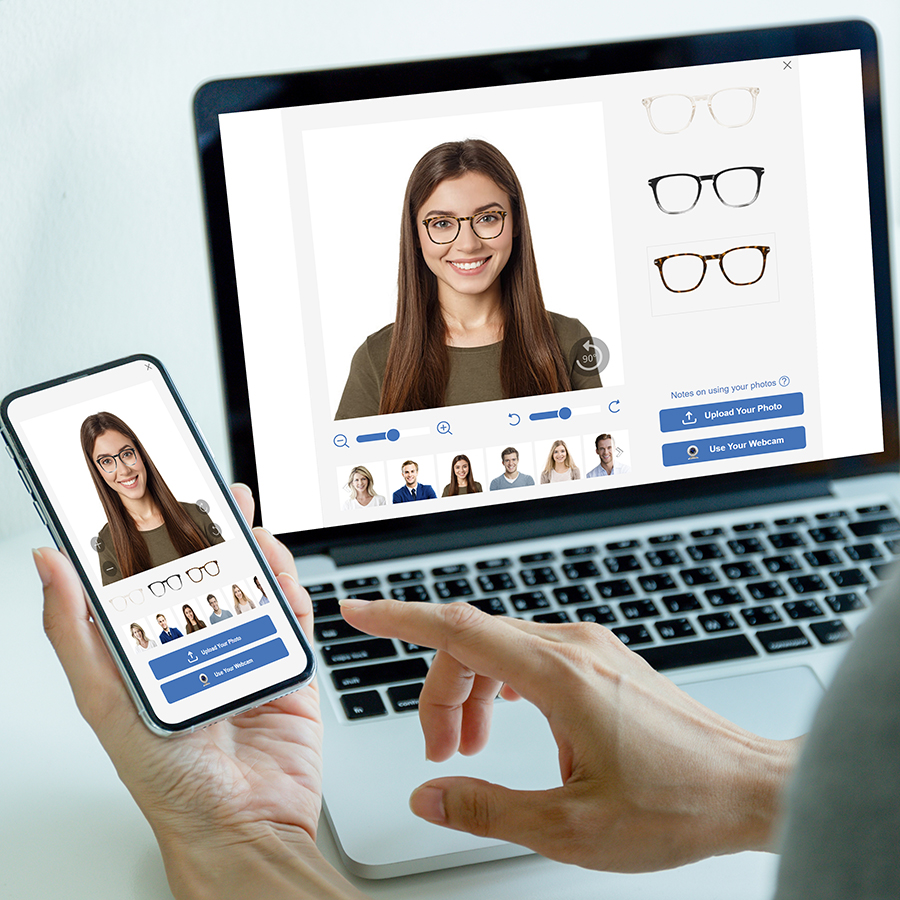
Match the shape of the glasses to your face.
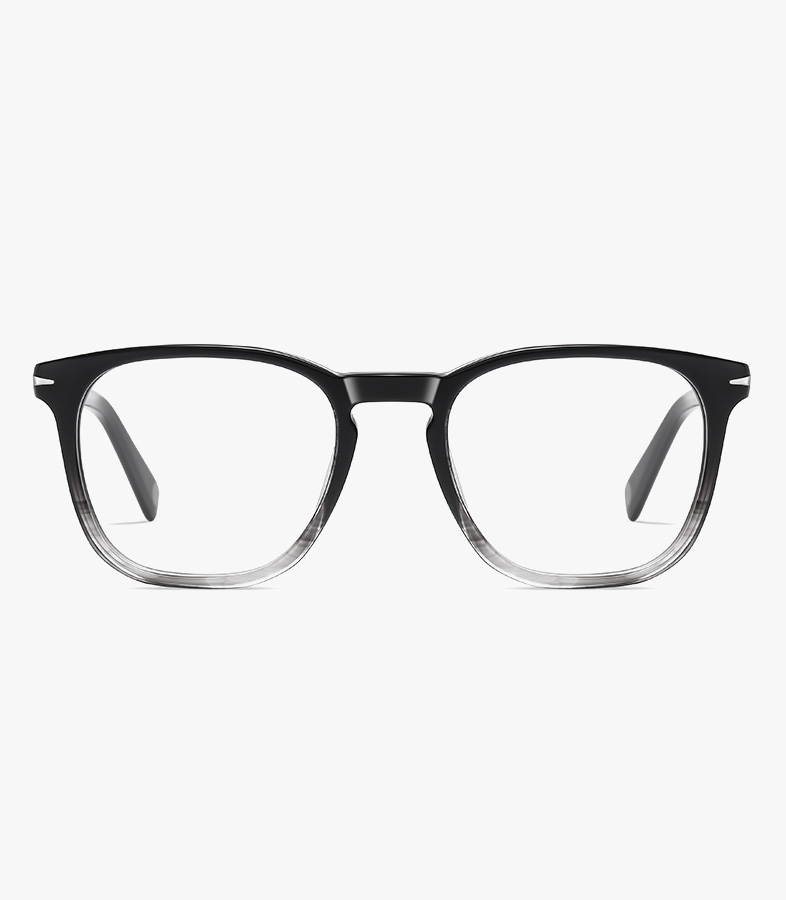
- Round face? Try square or angular shapes. They add structure.
- Square face? Try round or oval shapes. They soften strong jawlines.
- Oval face? You can wear almost anything. Have fun with it.
How to Make Sure They Fit Comfortably
Bad fit means headaches and slipping glasses. Good fit means you forget you are even wearing them.
Check the numbers on the inside arm of any glasses you already own. You will see something like 52-18-140. That is lens width, bridge width, and arm length in millimeters. Use those numbers as a guide when you shop online.
Also make sure the glasses sit level on your face. They should not pinch your nose or squeeze your temples. And they should stay put when you look down.
Can You Wear Reading Glasses and Still Look Young?
Absolutely. The secret is to treat them like an accessory, not a medical device. Pick designs that match your personal style. Switch up colors or shapes for different outfits. Wear them confidently.
Here is a little secret. People who wear reading glasses often look more intelligent and focused. And when you choose a flattering pair, you actually look more put together than someone squinting at their phone.

A Few Final Tips
- Keep multiple pairs around. One by your bed, one in your bag, one at your desk. They are cheap enough to buy several.
- Do not wear reading glasses while driving or walking. They are only for close up work.
- If you start getting headaches or blurry vision, see an eye doctor. You might need a different prescription.
- Your reading strength will go up slowly over time. That is normal. Just keep adjusting.
Presbyopia is not a big deal. It happens to everyone eventually. The only wrong move is to do nothing and keep struggling. Grab a pair of reading glasses that fit your face and your style. You will see clearly again, feel less tired, and look good doing it.