


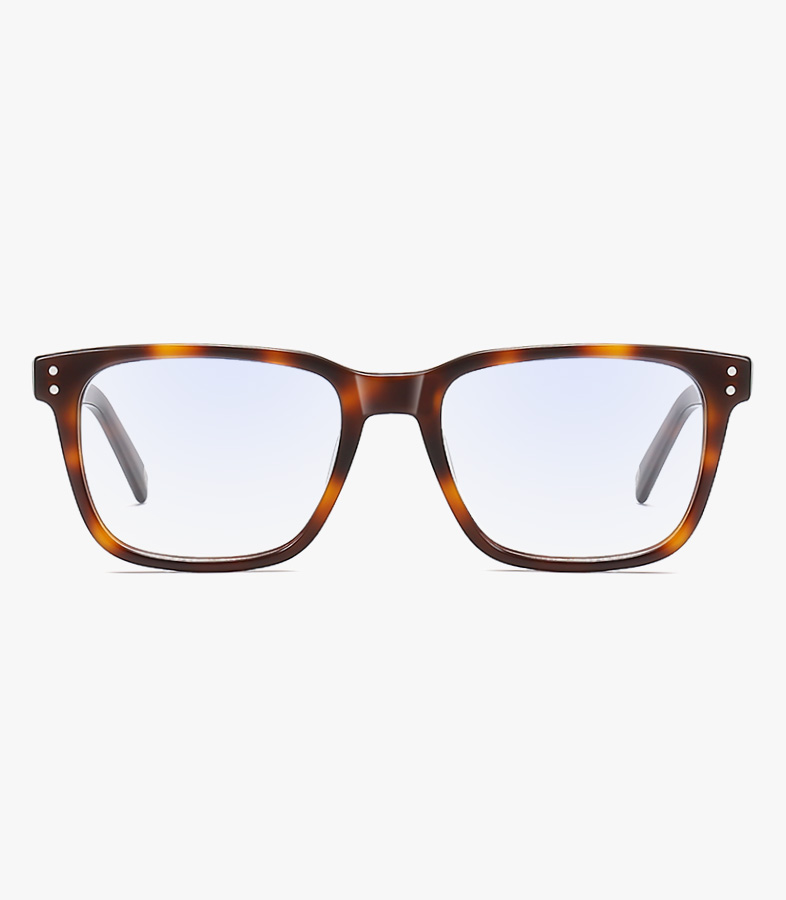
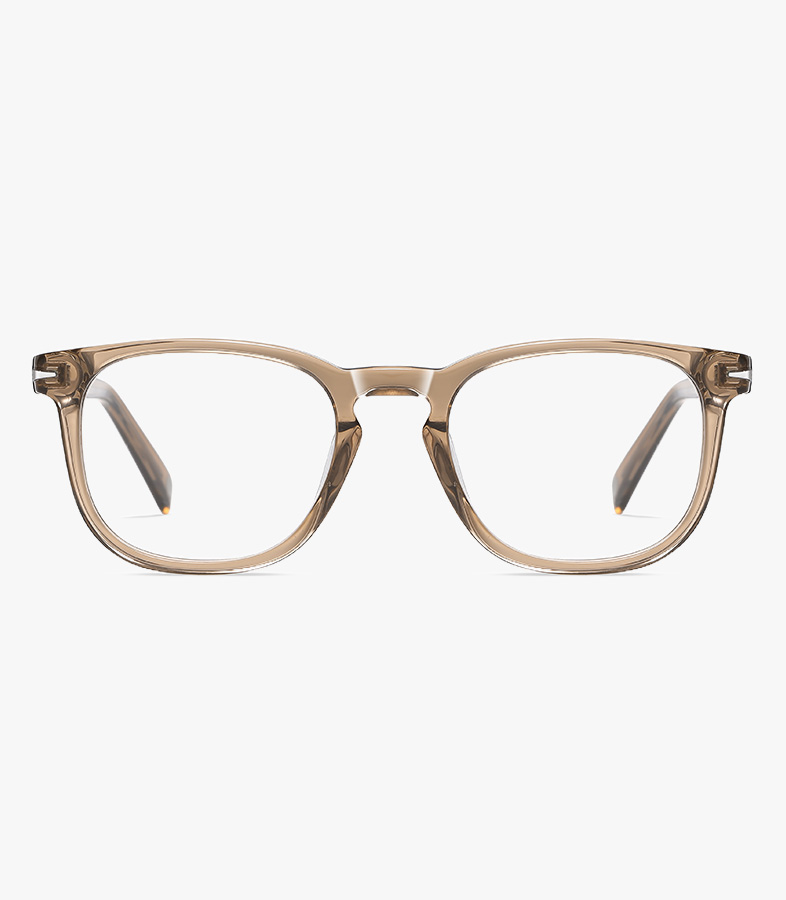
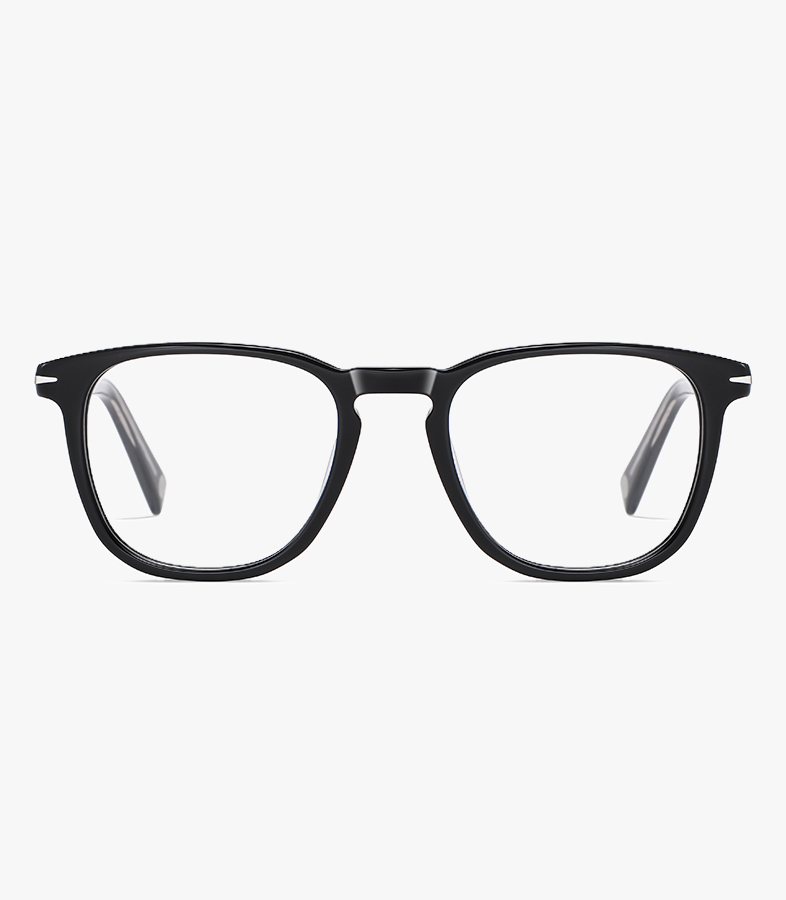


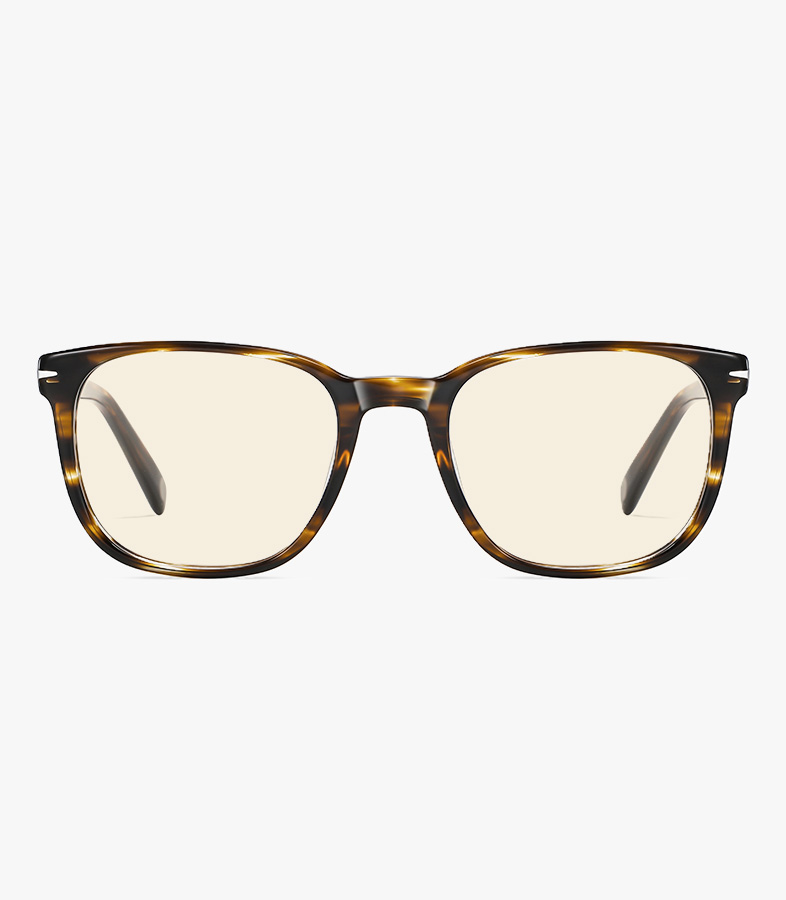




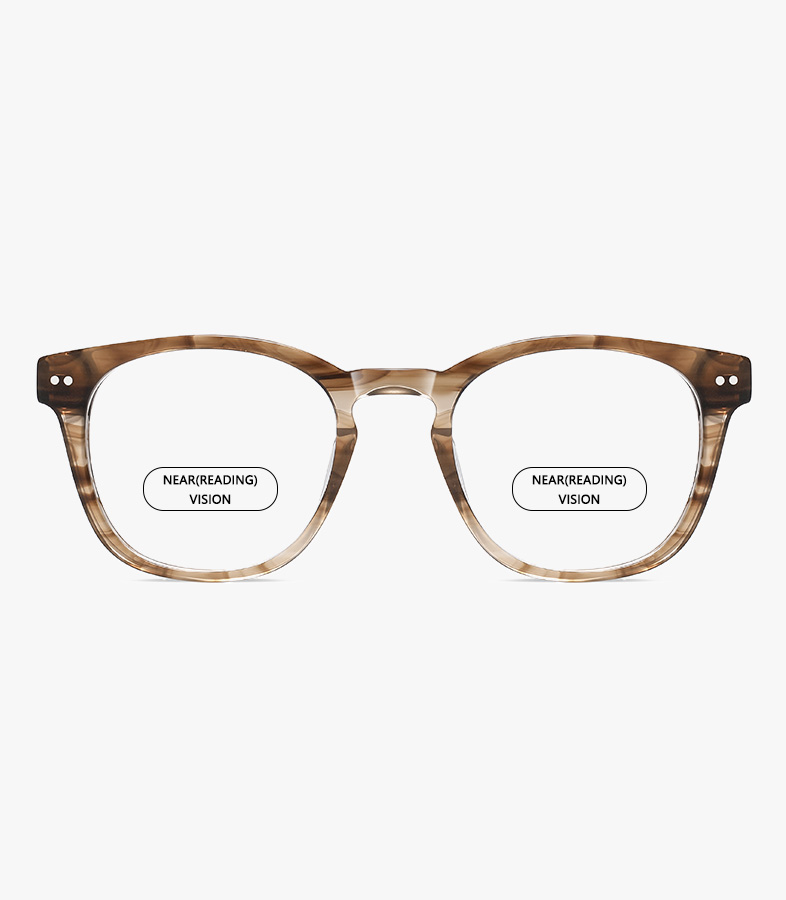






You are shopping for a new pair of reading glasses. Your prescription is ready. Then you remember seeing those GoodRx commercials on TV. They save people money on all kinds of prescriptions. So you wonder: can GoodRx help me save on my lenses?
I have good news and bad news. The bad news is the direct answer is no. The good news is you still have plenty of ways to save. Let me explain.
What GoodRx Actually Does
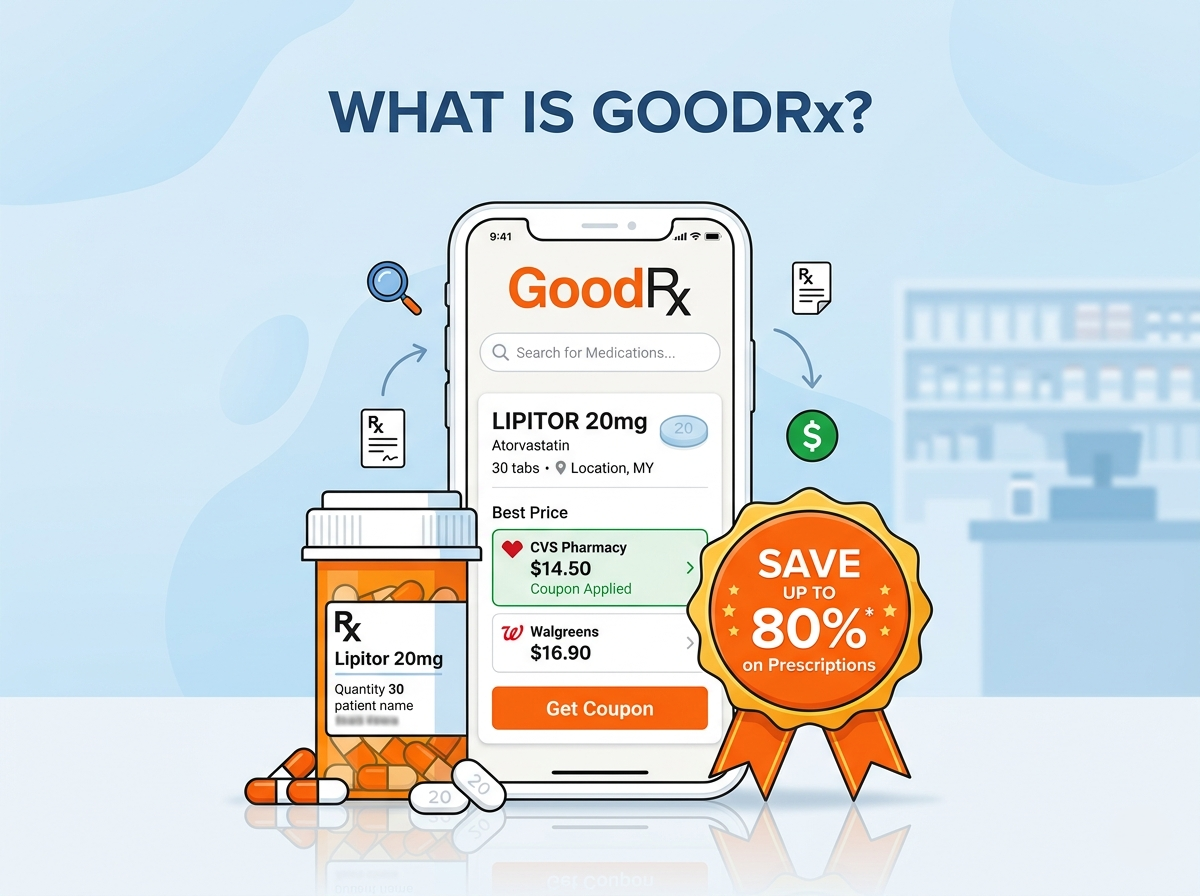
GoodRx is a discount tool for prescription drugs. You know, the medications you pick up at the pharmacy counter. Antibiotics, blood pressure pills, asthma inhalers, eye drops for glaucoma – things like that.
You go to their website or app, type in the name of your medication, and they show you the lowest cash price at nearby pharmacies. Then you show a free coupon to the pharmacist. It works great. People save millions of dollars every year.
But GoodRx was never designed for eyeglasses. It works with pharmacy systems, not optical shops or online retailers. When you hand a pharmacist a GoodRx coupon, they know exactly what to do. When you hand it to someone at a glasses store, they will look at you confused.
Why People Get Confused
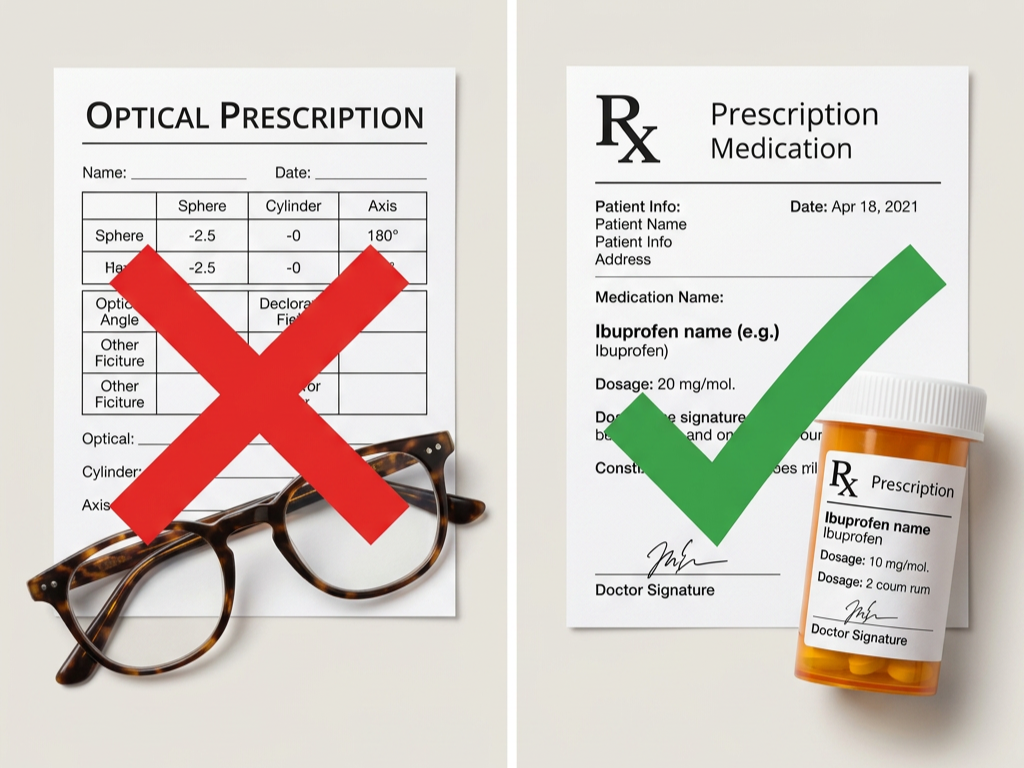
Here is why this question comes up so often. Both things involve the word “prescription.” You get a prescription from your eye doctor for glasses. You also get a prescription from your regular doctor for medicine. Same word, totally different systems.
Your glasses prescription is more like a set of instructions for grinding lenses. It tells the lab exactly what shape and power your lenses need. But there is no drug involved. And GoodRx only works for drugs.
So How Do You Save on Prescription Lenses?
You have several real options. Some of them can save you a lot of money.
1. Shop at online retailers
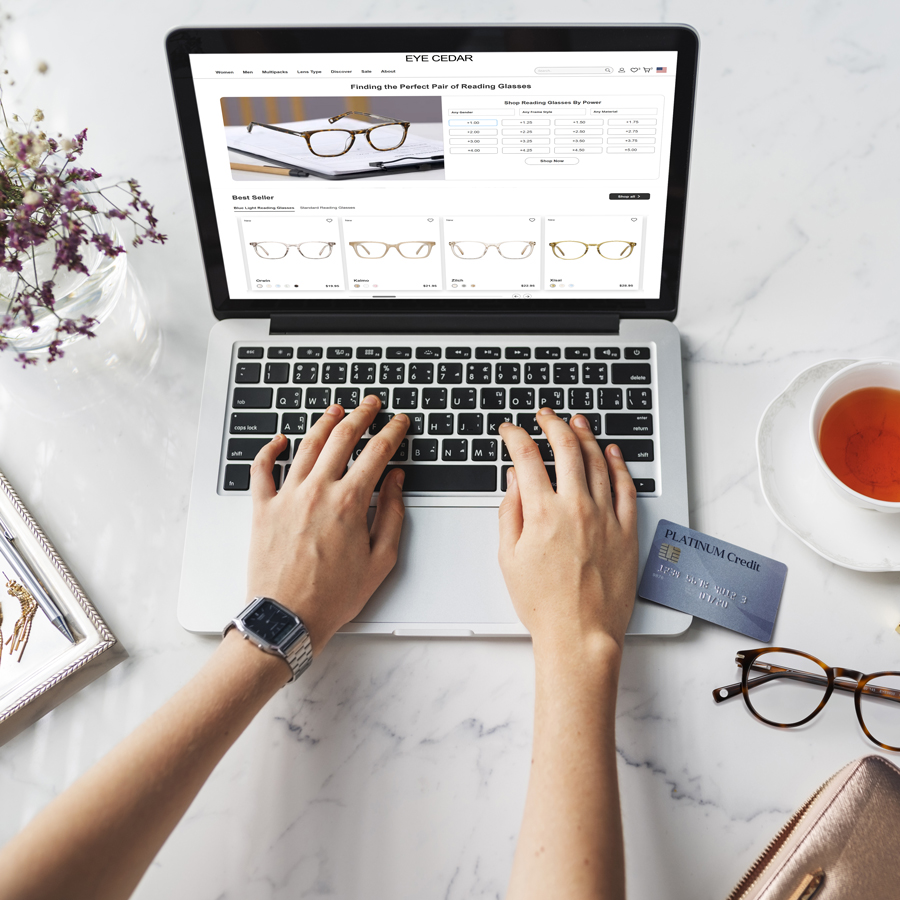
This is the single biggest money saver for most people. Online shops like Eye Cedar and others sell prescription glasses for a fraction of what brick and mortar stores charge. We are talking twenty to fifty dollars for a complete pair, including lenses.
Why so cheap? They have no fancy showrooms, no salespeople on commission, no expensive mall rent. They ship directly from warehouses. One study found the median cost of glasses bought online was 91,compared to 234 at a physical store. That is a huge difference.
Just make sure you have your full prescription, including the pupillary distance (PD). Your eye doctor may not give you the PD automatically – you have to ask for it.
2. Use vision insurance if you have it
Many employers offer vision plans through companies like VSP or EyeMed. These plans usually cover a yearly eye exam and give you an allowance toward glasses, often around $150 or more. They also offer discounts on the remaining cost of lenses.
Check your benefits. If you have been paying for vision insurance out of each paycheck, use it. Do not let it go to waste.
3. Pay with FSA or HSA dollars
If your employer offers a Flexible Spending Account (FSA) or a Health Savings Account (HSA), you can use that money for prescription glasses and eye exams. These accounts let you set aside pre‑tax dollars. That means you save whatever your tax rate is typically 20 to 30 percent off the actual price.
Even if you do not have vision insurance, using FSA or HSA money makes a noticeable difference.
4. Look at warehouse clubs
Costco, Sam’s Club, and BJ’s all have optical departments. You do not always need a membership to use their pharmacy, but for the optical shop you usually do. Their prices on prescription lenses are consistently lower than private opticians. And their quality is solid.
5. Try a vision discount plan
These are not insurance. You pay a small yearly fee, and in return you get a set percentage off glasses and exams at participating providers. Sometimes 20 to 30 percent. If you do not have insurance and do not want to buy online, this can be worth looking into.
6. Ask your eye doctor for the cheapest option
Believe it or not, many eye doctors’ offices have a budget line of glasses that they do not always mention. If you say, “I just need the most affordable pair you have,” they will usually show you something reasonable. It may not be the nicest design, but it will work.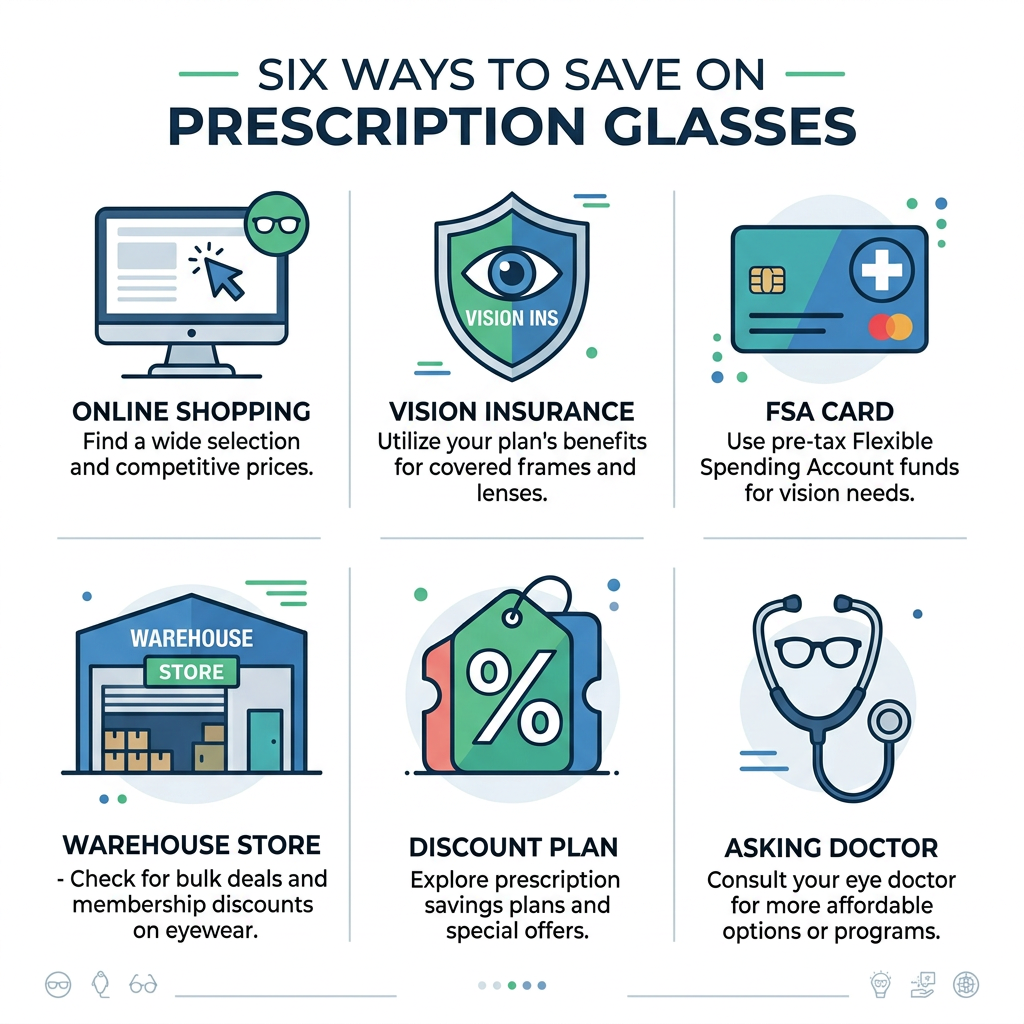 One More Thing – What About Buying Readers Over the Counter?
If you do not have a complicated prescription – meaning you need the same strength in both eyes and you have no astigmatism – you might not need prescription lenses at all. Over the counter reading glasses cost ten to twenty dollars at any drugstore. That is cheaper than any prescription option.
GoodRx still will not help you there. But at those prices, you do not need help.
Let me give you a straight answer to the title question.
No, GoodRx cannot save you money on prescription lenses for reading glasses. GoodRx is for medications, not eyewear.
But do not let that discourage you. You still have online retailers, vision insurance, FSA/HSA accounts, warehouse clubs, discount plans, and even cheap over the counter readers. Pick the option that fits your situation, and you will see clearly without breaking the bank.