













Contact lenses are great. You can see clearly, nothing fogs up, and nothing slides down your nose. No wonder so many people wear them every single day.
But if you have been using contacts for years, from morning until bedtime, you might want to ask yourself: Is this really good for my eyes in the long run?
Here is the thing. When you wear contacts the right way, they are generally safe. But long term, daily use comes with some real risks that people don't always talk about. The good news? Modern eyeglasses have come a long way. They look good, feel comfortable, and keep your eyes much healthier.
Let me walk you through what can happen with long term contact lens use, and why glasses are worth a second look.

The Hidden Risks of Long Term Contact Lens Use
1. Your Cornea Can Get Starved of Oxygen
Your cornea, the clear front part of your eye, has no blood vessels. It gets oxygen directly from the air. When you put a contact lens on top, especially for long hours or while sleeping, you block that oxygen.
Over time, this can cause your eye to grow tiny new blood vessels where they shouldn't be, just to try to get more oxygen. This can hurt your vision permanently. You might also become sensitive to light or feel like your eyes are always uncomfortable.
2. Higher Chance of Eye Infections
The longer you wear contacts, the higher your risk of getting an infection like keratitis, which is inflammation of your cornea. Bacteria, fungi, or even tiny parasites can get trapped under your lens.
Even a mild infection can leave scars on your cornea. That means blurry vision that never goes away. In bad cases, you might even need a cornea transplant.
3. Dry Eyes That Get Worse Over Time
Contact lenses need moisture to stay soft, so they soak up the tears on your eyes. After years of daily wear, your natural tear film can get damaged. That leads to chronic dry eye.
You know that gritty, burning feeling? Or the opposite – your eyes water like crazy because they are so dry? That is dry eye syndrome. And once it gets bad, you might not be able to wear contacts for more than an hour without pain.
4. Allergic Reaction to Your Own Lenses
There is something called giant papillary conjunctivitis, or GPC. It sounds scary, but here is what it means. Over time, protein from your tears builds up on your contacts. Your body starts to see that as an allergen, like pollen or pet dander.
Tiny bumps form under your upper eyelids. Your eyes get itchy, red, and full of mucus. Once this happens, many people can never wear contacts comfortably again.
5. Your Cornea Can Change Shape
If you wear rigid gas permeable lenses or soft lenses that don't fit well for years, they can slowly change the shape of your cornea. Doctors call this corneal warpage.
When that happens, your prescription becomes unstable. You might get astigmatism that even glasses cannot fully fix.

Why Eyeglass Frames Are Better for Your Eyes
Now for the good part. Glasses don't just avoid all those problems. They actually come with benefits that contacts can never offer.
· No Risk of Infection or Oxygen Starvation
Glasses sit away from your eyes. No bacteria trapped overnight. No protein buildup. Your corneas get all the oxygen they need, just like nature intended.
· Built In Blue Light Protection
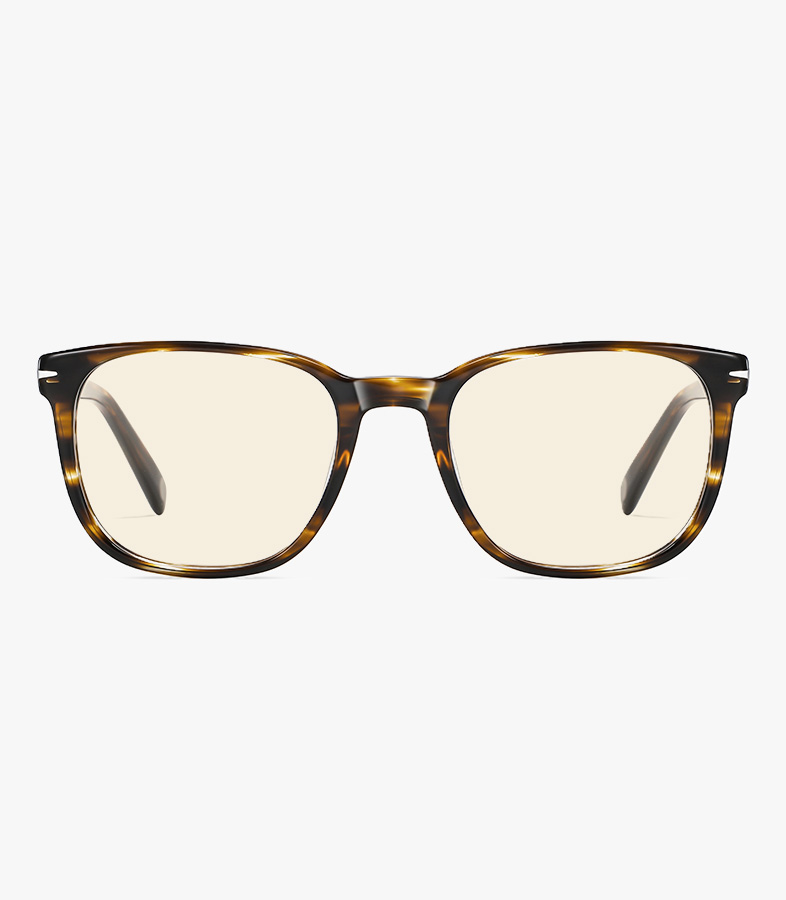
You can easily add blue light filtering to your glasses lenses. That helps reduce eye strain from all those hours on your phone and laptop. Most contacts don't offer this unless you buy expensive daily disposables.
· Less Dry Eye
Believe it or not, glasses actually help with dry eyes. They slow down tear evaporation. Wraparound styles or larger frames shield your eyes from wind, dust, and dry air from air conditioners. That is a big relief if you already struggle with dry eyes.
· UV Protection for Your Whole Eye
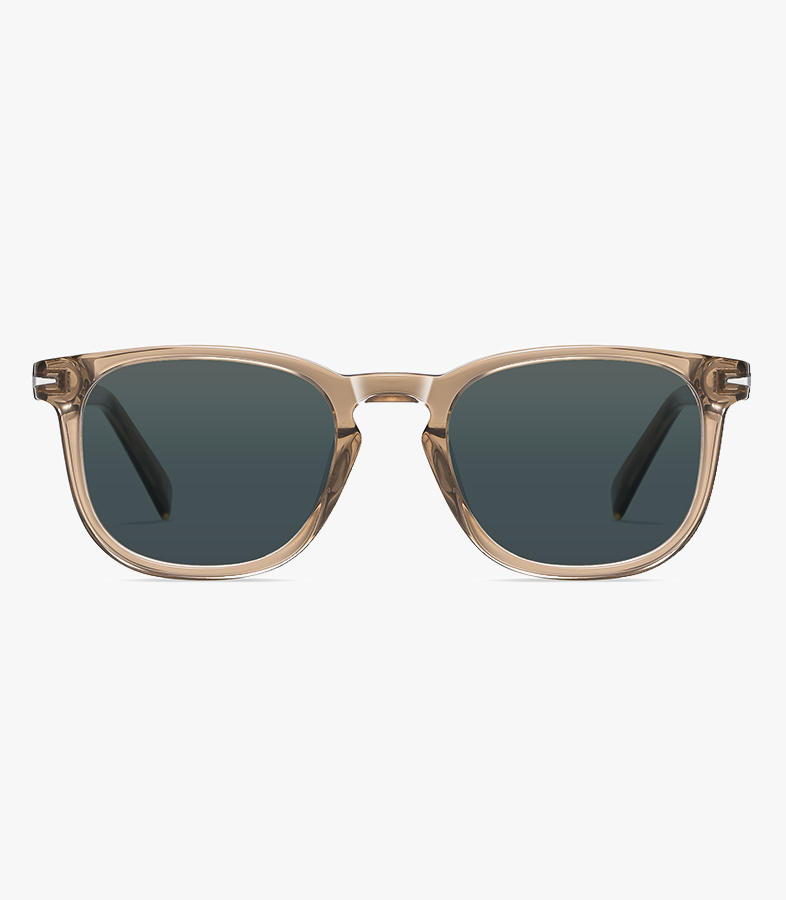
Quality glasses with UV blocking lenses protect not just your cornea, but the whites of your eyes and the delicate skin around them. Most contacts only block a tiny bit of UV light.
· You Can Look Stylish
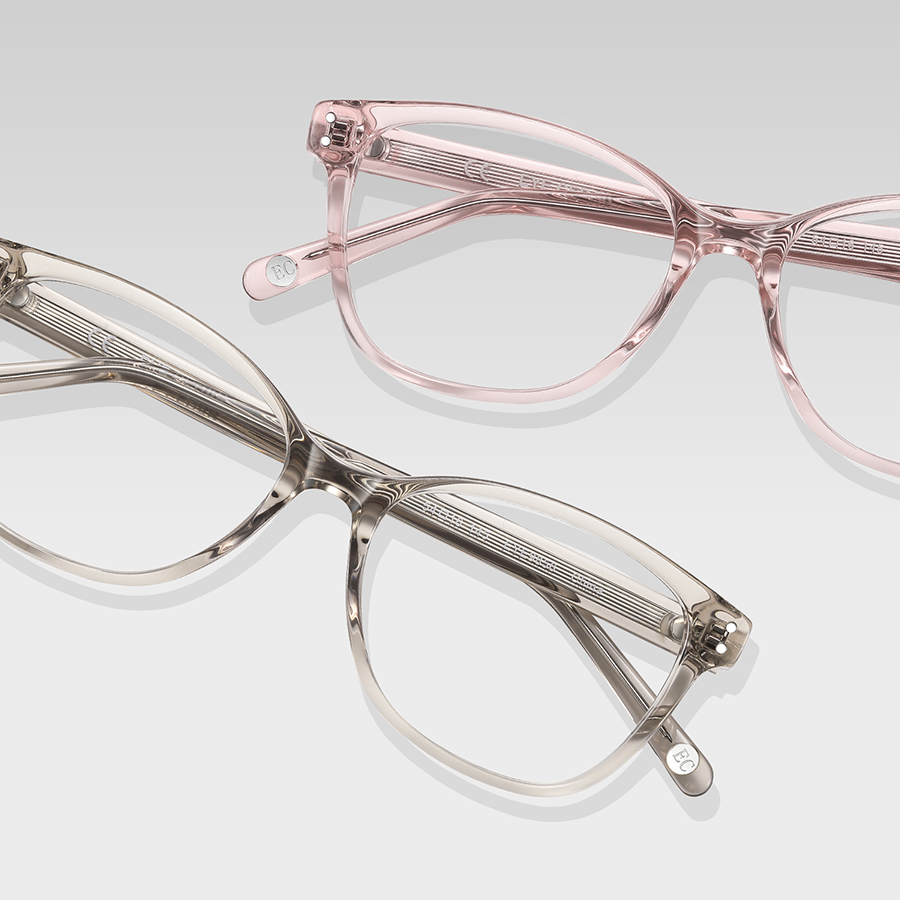
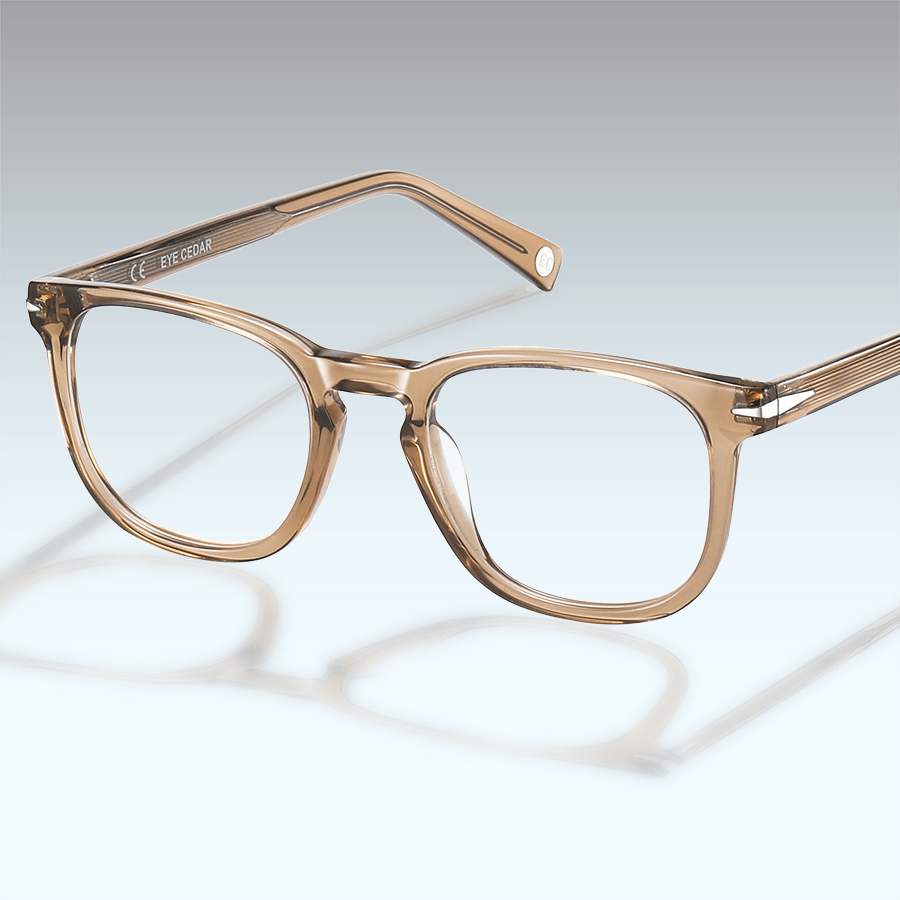
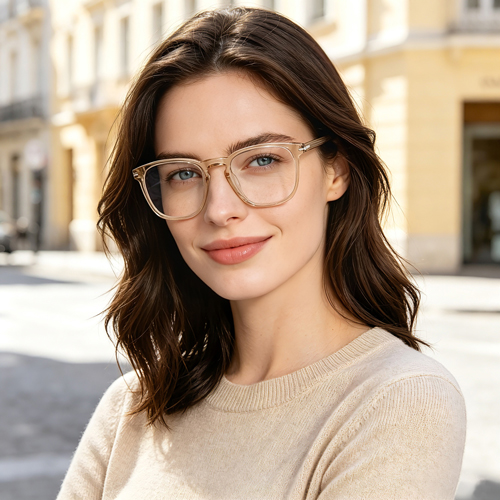
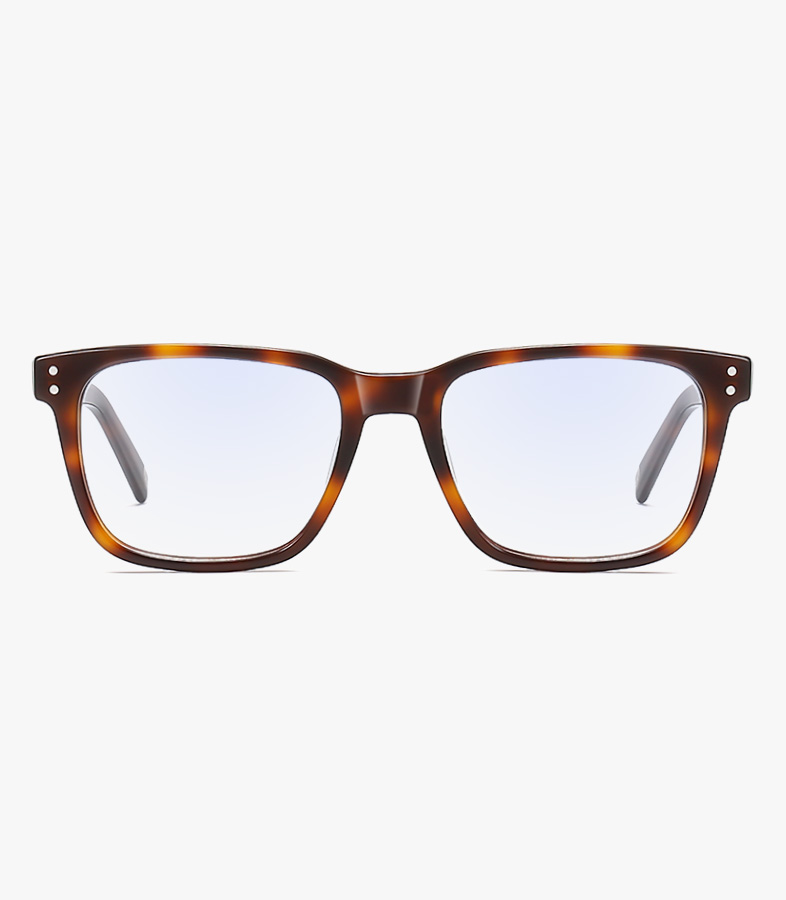
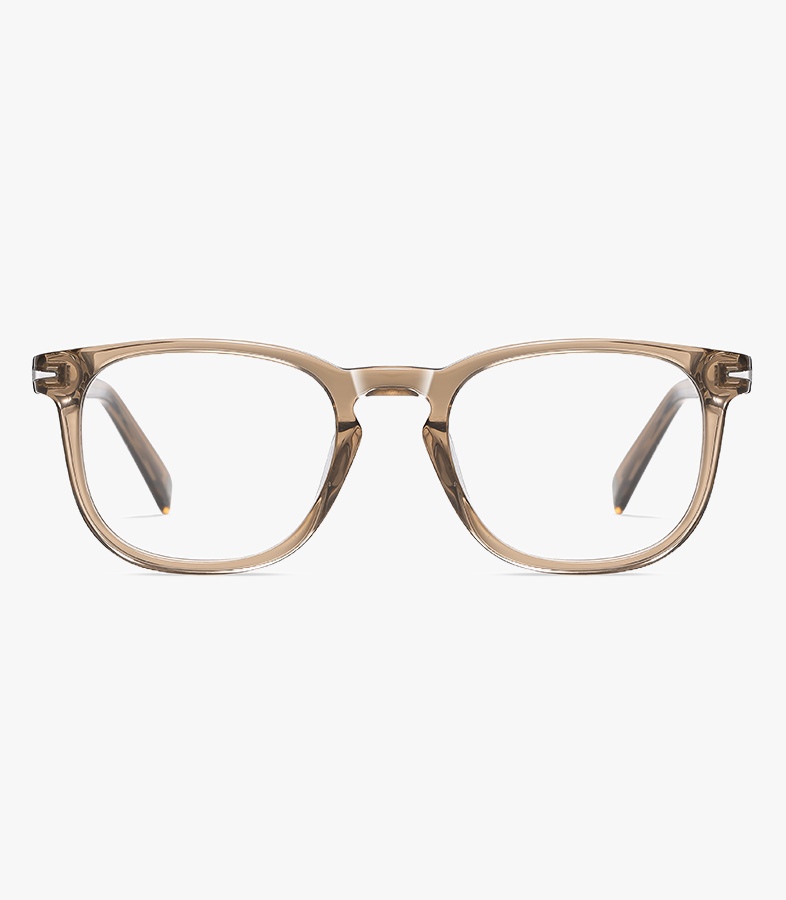
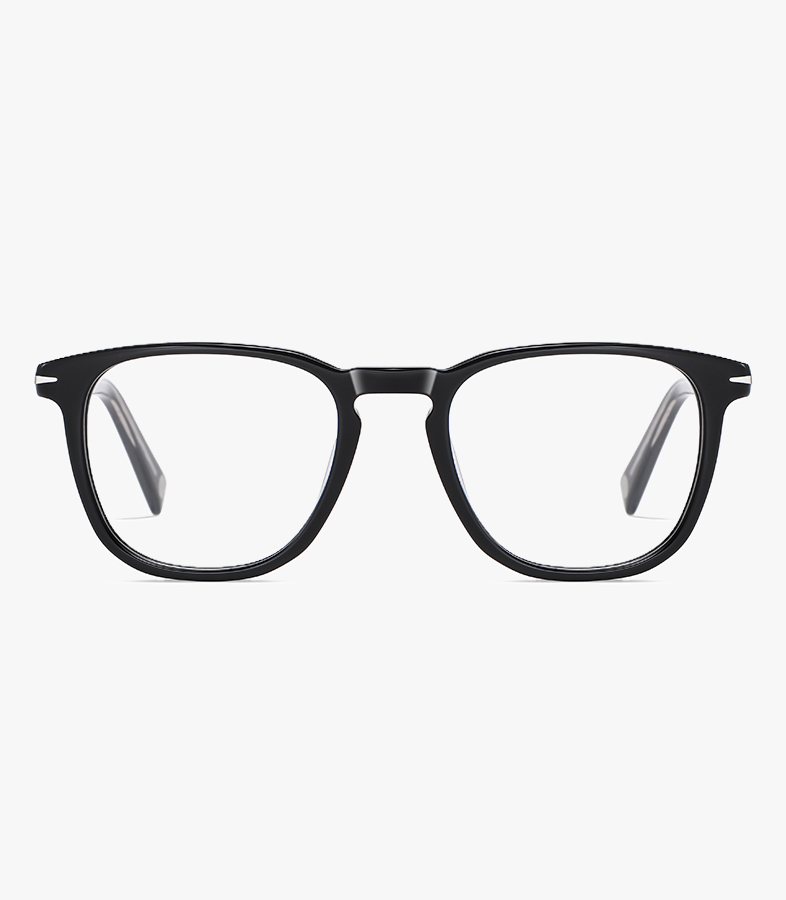
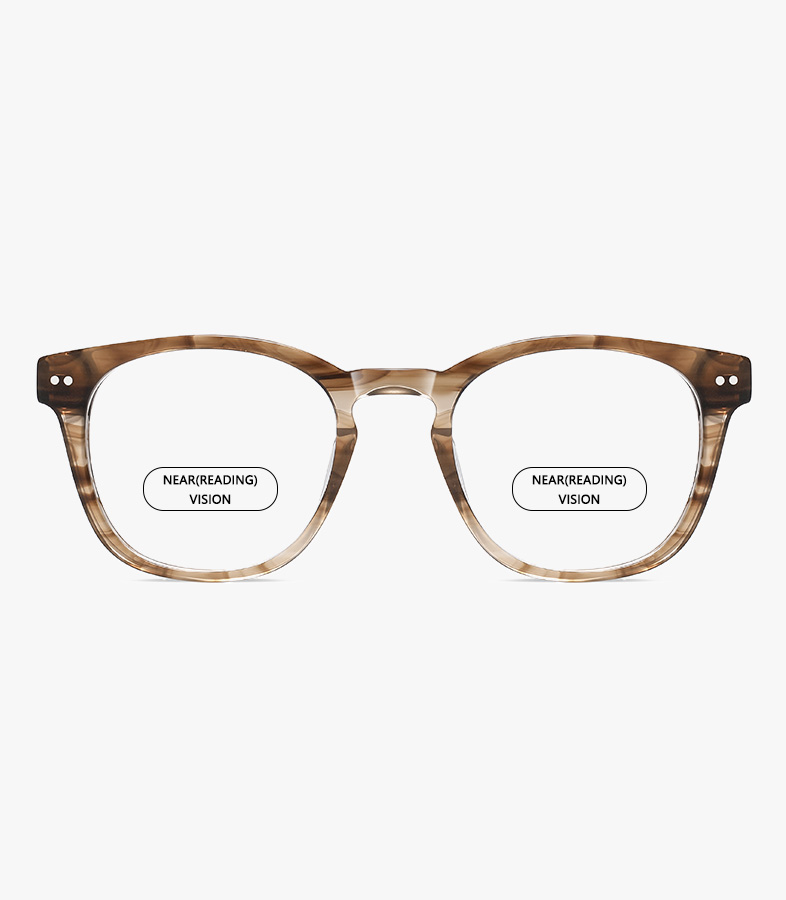
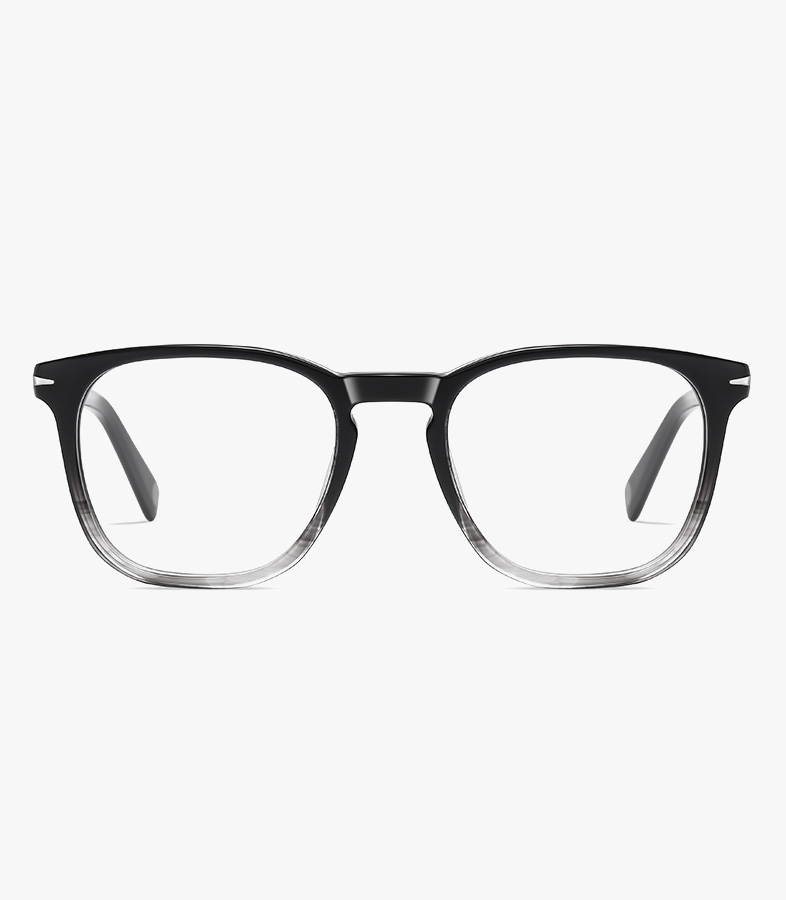
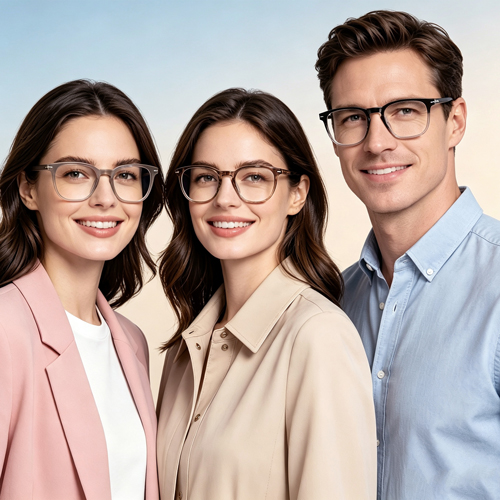
Forget the old idea that glasses make you look nerdy. Today's frames come in clear, tortoiseshell, metal, bold colors, and everything in between. You can change your look anytime. Contacts give you no frames, but glasses give you personality.


Can You Wear Both? Yes, Just Give Your Eyes a Break
You don't have to throw away your contacts forever. Many eye doctors suggest a mix. Wear contacts when you play sports or go out for a special event. But wear glasses at home, at work, or in the evening.
Your eyes need time to recover. Even one or two days a week without contacts can make a huge difference and lower your long term risks.

Contacts feel convenient, but the risks are real. Corneal hypoxia, infections, dry eye, allergic reactions – these are not rare horror stories. They happen to regular people who wear contacts every day for years.
Glasses keep your eyes safer, healthier, and more comfortable. And with all the stylish frames out there today, you never have to choose between good vision and looking good.