








Archives mensuelles : Mai 2026

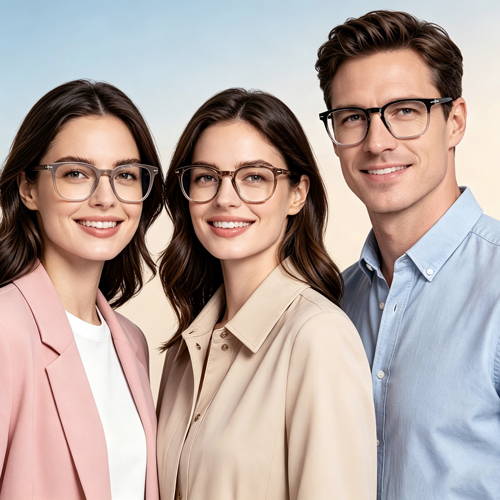
  1. How to Choose Glasses for Men: Best Frames for Different Face Shapes

    How to Choose Glasses for Men: Best Frames for Different Face Shapes

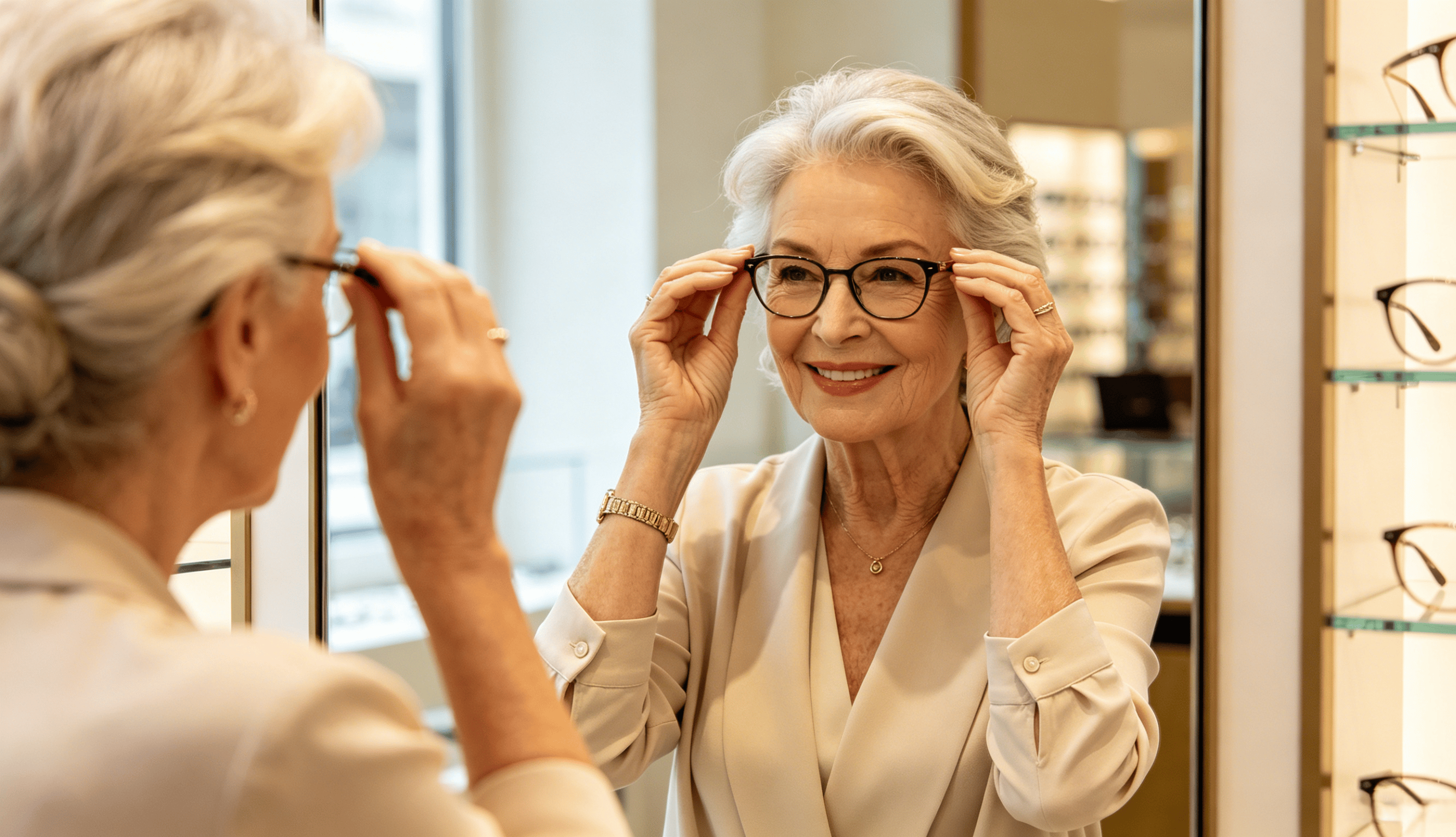
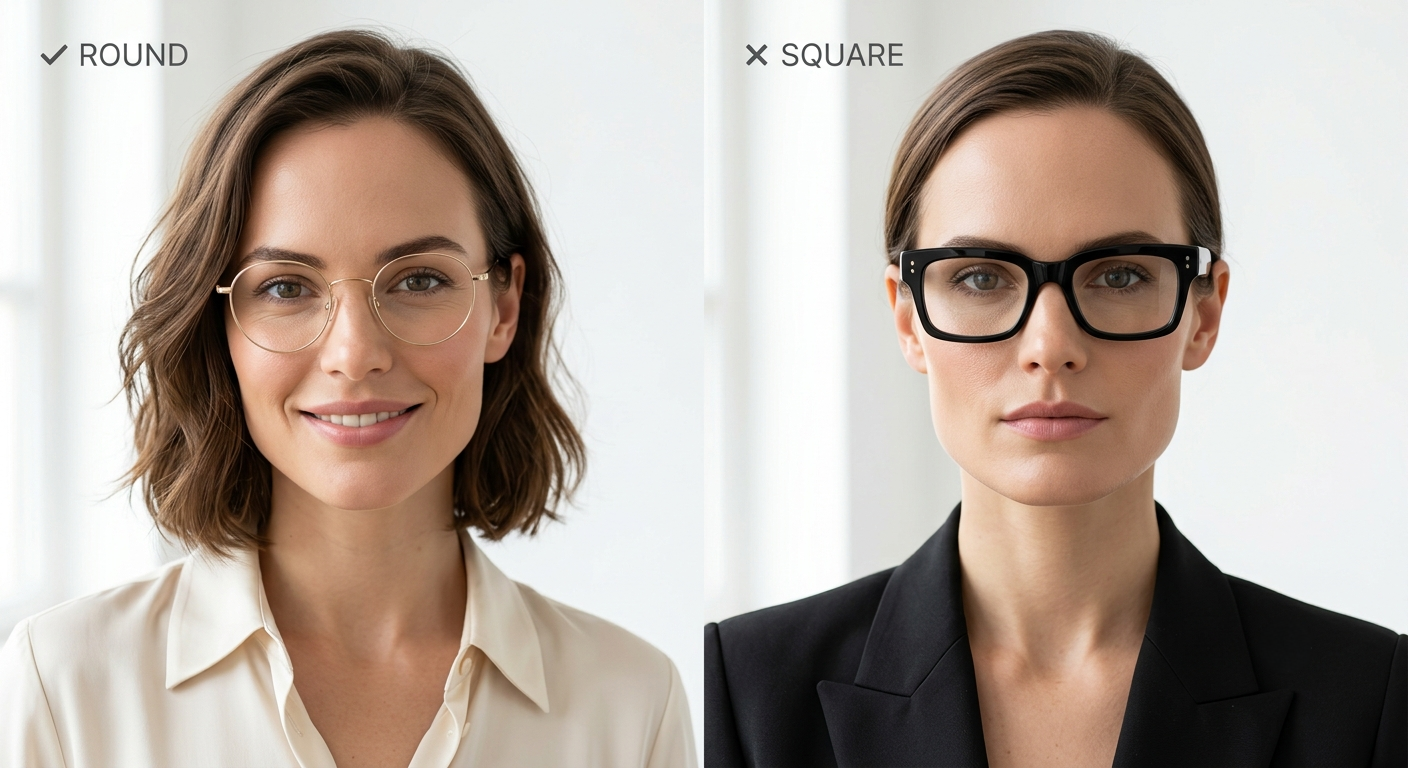
    The importance of the perfect men's eyewear lies in its ability to enhance appearance and function in all aspects of life. In this post, we'll give you valuable tips for five different distinctive face shapes to help you choose the right eyewear for your face.


    Your glasses shape and face shape

    Some people believe that glasses should "disappear" from your face, so they advise you to choose glasses that are as "invisible" as possible. But this is not possible, the glasses are there.

    In fact, the right pair of glasses can complement your features, enhance your personal style and create a more polished look, just like your tie, watch and other accessories. Eyewear is a complement to your style, not a burden.

    The first step in choosing the right eyewear is to assess the shape of your face and identify any imperfections you want to correct or strengths you want to accentuate. Then address them.

    Lire plus »
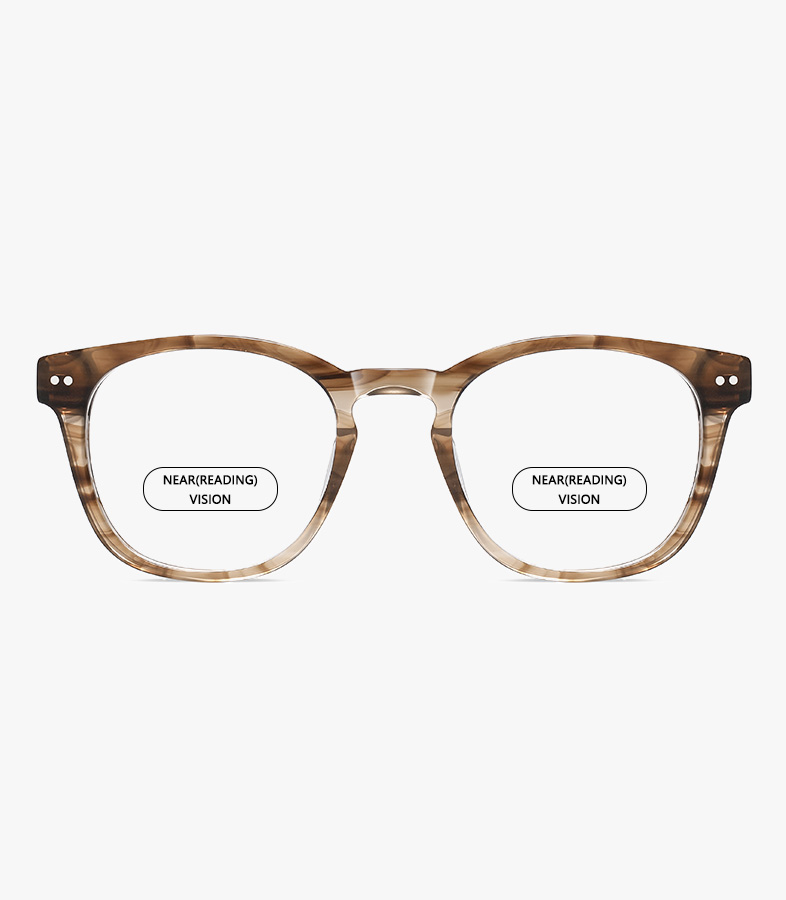
  2. Have You Been Wearing Your Reading Glasses Correctly in Middle Age?

    Have ou been wearing reading glasses

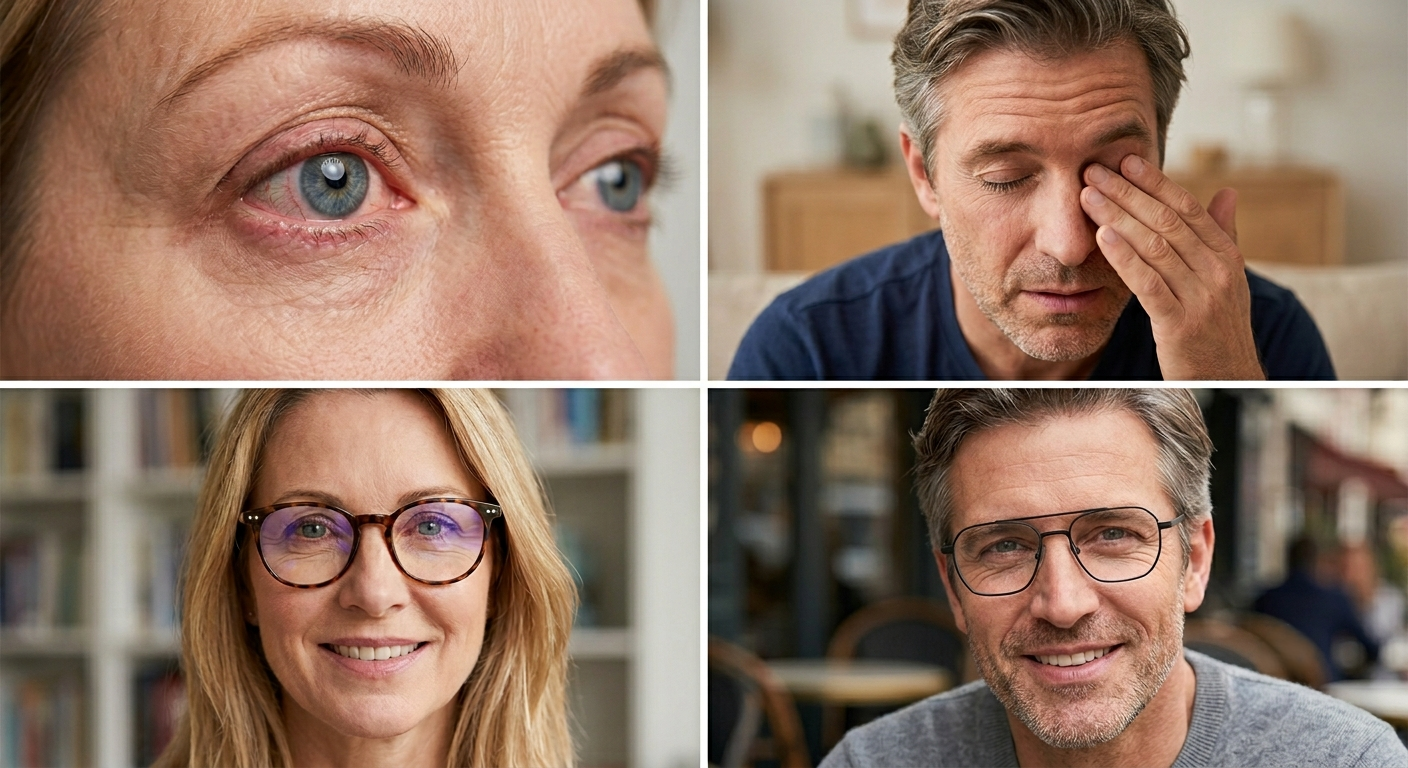
    As people reach middle age, their bodily functions subtly change, and presbyopia becomes a common phenomenon. When one notices that text up close appears blurry and they have to hold books or phones farther away to see clearly, most realize it's time to get reading glasses. However, getting the right glasses is not as simple as it seems, as there is quite a bit of knowledge involved. Wearing the right pair of reading glasses can bring added convenience and comfort to one's middle-aged life.

    Many Misconceptions Lead to Misguidance

    Many people have misconceptions, thinking that they can simply buy a pair of

    Lire plus »
  3. How to Read a Ruler for Accurate Pupillary Distance Measurement

    How to Read a Ruler for Accurate Pupillary Distance Measurement

    Pupillary distance, in simple terms, is the distance between the pupils of the two eyes. When normal people look at the same object with both eyes, the object is imaged on the retinas of both eyes respectively and overlapped in the visual center of the brain to form a complete, three - dimensional single object. This function is called binocular single vision. However, during the formation of binocular single vision in infants and young children, it is very easy to be affected by external factors, causing one eye to focus on the target while the other eye deviates and cannot look at the same target, thus leading to strabismus. In medicine, when the eyeball turns inward when looking at an object, it is called esotropia, which is commonly known as "cross - eyed".

    Lire plus »